Understanding Tariffs and Their Impact on the Economy…
In the world of international trade, tariffs play a crucial role. These taxes imposed by governments on imported goods can have far-reaching consequences for both the domestic and global economy. From influencing the price of everyday items to shaping political relationships, tariffs are a powerful economic tool. But what exactly are tariffs, and how do they affect the economy?
What Are Tariffs?
A tariff is essentially a tax on imported goods. Governments impose tariffs to make foreign goods more expensive, thereby encouraging consumers to buy domestically produced products instead. Tariffs can take several forms, including specific tariffs (a fixed amount per unit) or ad valorem tariffs (a percentage of the value of the good). They are often used as a tool to protect domestic industries from foreign competition or to retaliate against trade practices that are perceived to be unfair.
While tariffs are typically used by countries to protect local businesses, they also come with trade-offs. The effects of tariffs go beyond just raising the prices of imported goods—they ripple through various sectors of the economy in ways that are not always immediately apparent.
The Positive Effects of Tariffs
1. Protecting Domestic Industries
One of the primary reasons governments impose tariffs is to protect local industries from foreign competition. By making imported goods more expensive, tariffs can create a price advantage for domestic products. This protection allows local companies to compete more effectively with international businesses, potentially saving jobs and preserving industries that are vital to the country’s economy.
2. Increasing Government Revenue
Tariffs are also a significant source of revenue for governments, especially in countries that rely on trade for economic activity. The revenue generated from tariffs can be used to fund domestic projects such as infrastructure, education, and healthcare.
3. Encouraging Fair Trade Practices
Tariffs can serve as a form of leverage in trade negotiations. When a country believes that its trading partner is engaging in unfair trade practices—such as dumping goods at below-market prices—it may impose tariffs to correct the imbalance. The threat of tariffs can encourage countries to adopt more equitable trade practices.
The Negative Effects of Tariffs
While tariffs can provide benefits, they also carry potential downsides that can hurt the economy. The consequences depend on the size and scope of the tariffs, as well as the affected industries.
1. Increased Consumer Prices
One of the most immediate effects of tariffs is an increase in the price of imported goods. Since tariffs make foreign products more expensive, consumers may face higher prices on items they rely on, from electronics to clothing. In the long run, this can lead to a decrease in consumer purchasing power and a rise in the cost of living.
2. Retaliation from Other Countries
When one country imposes tariffs, it often leads to retaliation from its trading partners. This creates a cycle of rising trade barriers, known as a trade war. Retaliatory tariffs can hurt exporters by making their products more expensive in foreign markets, potentially leading to a decline in demand for those products and a loss of market share.
3. Harm to Global Supply Chains
In today’s globalized economy, many businesses rely on complex international supply chains to source materials and components. Tariffs can disrupt these supply chains, leading to inefficiencies and higher production costs. Manufacturers may be forced to find more expensive alternatives or pass on the increased costs to consumers, further compounding the impact on prices.
4. Negative Impact on Economic Growth
By increasing costs for businesses and consumers alike, tariffs can slow overall economic growth. If domestic companies are forced to pay more for imported goods or face retaliatory measures from other countries, it can decrease investment, reduce consumer spending, and hinder innovation. This can ultimately stifle the economy and reduce the country’s global competitiveness.
The Long-Term Effects of Tariffs
In the short term, tariffs may provide a boost to certain industries, but in the long term, they can have detrimental effects. By limiting competition, tariffs can reduce the incentive for domestic companies to innovate or improve efficiency. Moreover, the resulting price increases for consumers can lead to lower consumption and reduced economic activity.
Furthermore, as other countries retaliate, the global trading system can become more fragmented. In a world where international trade fosters economic cooperation and prosperity, tariffs can disrupt this delicate balance. If trade relationships deteriorate, countries may become more isolated, and international investment may decrease.
Conclusion
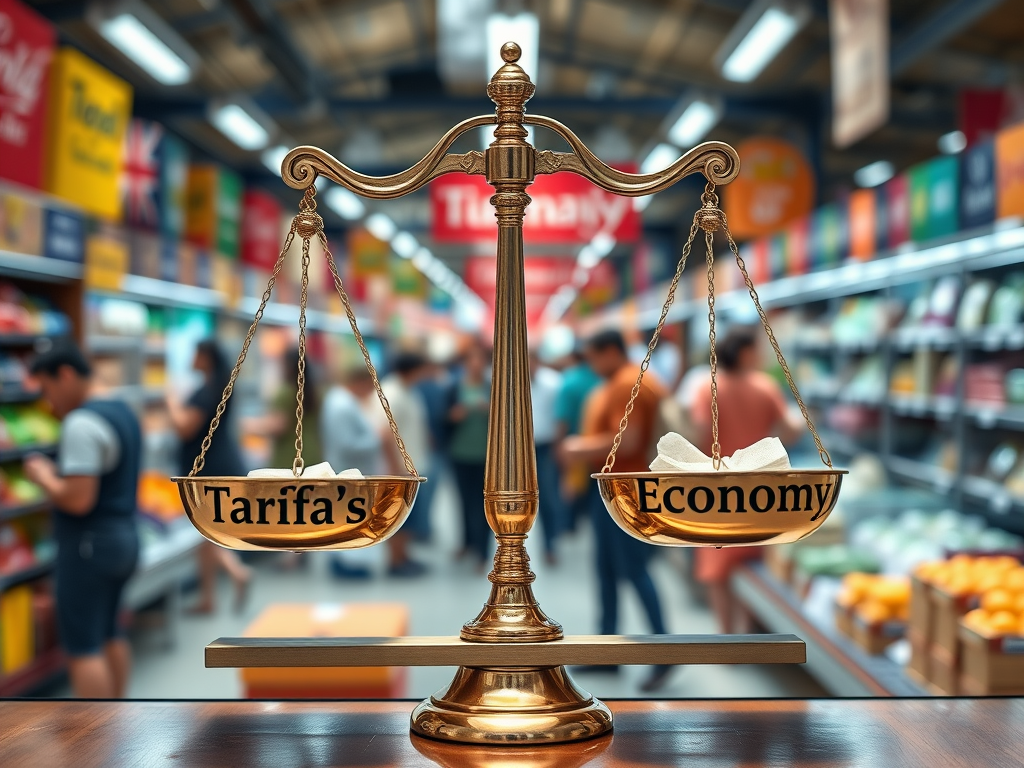
Tariffs are a double-edged sword. While they can help protect domestic industries and generate revenue, they also have the potential to raise consumer prices, disrupt global supply chains, and create tension in international relations. For the economy as a whole, the challenge is finding a balance between protecting local businesses and maintaining an open, competitive market that benefits consumers and promotes long-term economic growth. Also the domestic industries must be ready to produce the product at question with outsourcing, which in today’s era of outsourcing to keep products more cost effective would be a risky move since the process is no longer in place to handle such demand.
As countries continue to navigate the complexities of global trade, the effects of tariffs will remain a critical area of discussion. Policymakers must carefully weigh the benefits and costs, keeping in mind the broader impact on economic stability and prosperity.
 @Henley Financial and Wealth Management Inc.
Leave a comment